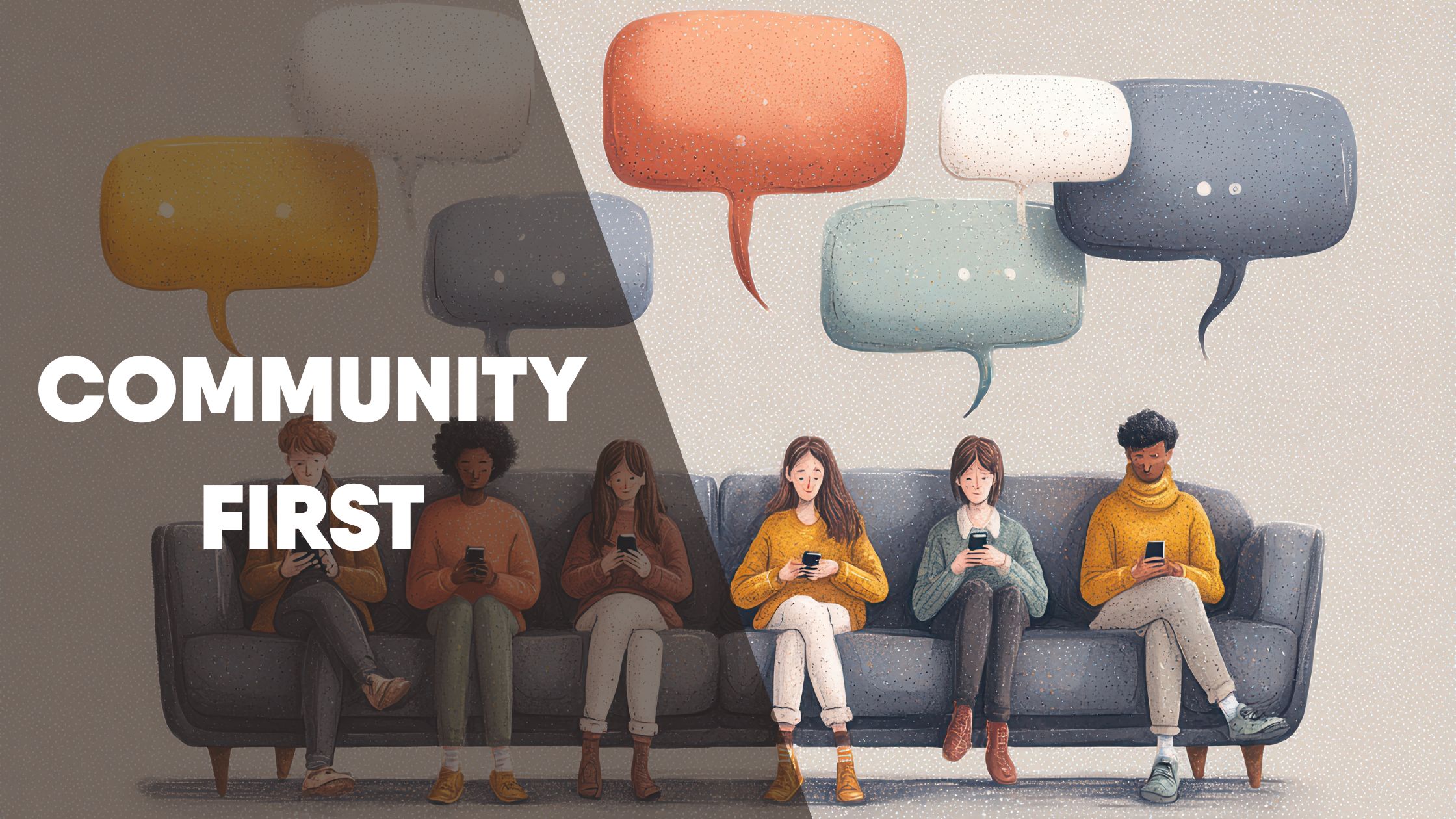
When you use social media for business marketing purposes, reaching and captivating the right audience for your brand, at the right time, is paramount. As such, you can’t take a one-size-fits-all approach to your social media marketing strategy – doing so simply won’t drive the results you seek.
Key Takeaways
- Any social media marketing strategy must be built for its unique target audience.
- In terms of social media marketing, what works for B2B brands versus B2C brands differs markedly. B2B focuses on leadership, trust-building, relationship-nurturing, and educating decision-makers. B2C focuses on emotional connection, entertaining, and triggering impulse-driven action.
- The platform you use must suit your target audience. LinkedIn is the gold standard for professional B2B targeting, whereas Instagram, Facebook, and TikTok are powerful B2C social marketing platforms.
- Dot-to-Dot Digital is a boutique digital agency in Australia with the skills, experience, techniques, and tactics to understand your business, clients, and goals and to devise, execute, and manage an effective social media marketing strategy for your brand’s unique needs.
To win both online and offline, your brand must stand out – and knowing what works for your audience underpins this and is the key to your success. From the outset, one of the things you need to consider is whether you are marketing B2B or B2C.
Undertanding B2B versus B2C
B2B = Business-to-Business
A company that sells its products/services to other businesses, i.e. producers, resellers, governments, and institutions; examples of this type of business include sheet metal fabricators, dental product distributors, wholesalers, consulting firms, digital marketing agencies and SEO providers, software companies, raw material suppliers, government agencies, hospitals, and universities.
Your target audience will be other businesses, decision-makers, and executives whose focus is on efficiency and return on investment. Multiple stakeholders may be involved, and purchase decisions are drawn out, structured, and often involve extensive consideration and research.
Branding and messaging in these cases are generally informative, data-driven, and logical. Problem-solving is highlighted, and an emphasis is placed on industry authority, trust, and expertise. B2B relationships tend to have a long-term focus, and valuable features may include personalised support and account management.
B2C = Business-to-Consumer
These businesses sell directly to individual consumers whose purchase decisions are driven by emotion, impulse, personal needs and desires, aspiration, and brand influences. They offer personal-use products and services such as food, entertainment, apparel, electronics, and recreation.
This form of targeted marketing will focus on content that is emotional, direct, and engaging, using storytelling and urgency to drive action and build strong connections with the consumer. B2C relationships are transactional and driven by brand preference, loyalty, and strategic engagement via reward programs and promotions.
There are key differences in how you should market for these different audiences. They extend far beyond the target audience itself and include the way you approach branding, messaging and communications, customer relationships, and the buyer journey.
B2B social media favours education, leadership, authority, and trust.
B2C social media thrives on entertainment, relatability, and urgency.
- B2B marketing must reach and capture CEOs, stakeholders, and other decision-makers in target organisations: those people who have the power to make purchasing decisions. This is precise, niche targeting.
- B2C marketing targets a broader audience, striving to engage individual consumers en masse and appeal to a wide but potentially segmented demographic. Emotional resonance is powerful in this audience, and personal needs and desires drive purchase decision-making.
Building a Client-Centric Social Media Strategy
In terms of your social media marketing tactics, there are a few inherent differences between how you market on social media between B2B and B2C. These consider:
- Your audience – who they are and what they need.
- Where you’re reaching them – different social platforms appeal to and attract different demographics.
- How you’re communicating with them – to meet their needs and expectations. The tone of B2B content needs to be professional, insightful, and authoritative, whereas that of B2C should be relatable, conversational, engaging, and enjoyable.
- Your purpose – B2B strives to generate quality leads, grow long-term professional relationships, build brand awareness, and showcase expertise. B2C, on the other hand, seeks to build brand visibility, drive website traffic and conversions, as well as strengthen community, boost likes, comments, and shares, and organically generate leads.
Also consider the role of Paid Ads. Paid ads for B2B generally target specific industries, companies, or roles/job titles and emphasise the benefits of a product or service to another company or organisation. Ads for B2C are designed for wider audiences and based around demographics, interests, and consumer behaviours – ideally encouraging swift and decisive action.
Which Social Platform is the Right One?
For B2B marketing:
- LinkedIn is the premier option for professional networking and growth.
- X (formerly Twitter) can also be a good choice for B2B marketing, as it provides a solid platform for sharing industry updates, news, and participating in discussions.
- Facebook and Instagram may offer value in terms of networking, building industry communities, and exploiting influencer marketing tactics (for suitable business models).
For B2C marketing:
- Facebook, Instagram, TikTok, and similar visually-driven platforms (depending on which demographic/s you’re targeting) are where the power lies.
- Facebook is exceptionally powerful, especially if running ad campaigns or targeting older consumers.
- Instagram and TikTok offer high value to brands seeking to showcase their products/services through images, stories, videos, and influencer-/user-generated content.
Summing Up
Social media marketing can be incredibly powerful – it can even support your SEO – but your methods must align with your target audience, your brand, and your business goals, as B2B and B2C marketing strategies serve starkly different purposes. You need to understand the differences between these approaches to optimise the impact of your social media efforts to reach and engage with the right people, in the right place, in the best way, and at the right time.
Need help?
Talk to a Savvy Digital Strategist!
Do you need to implement a clever and effective social media marketing strategy for your business?
Whether your business operates in the B2B or B2C space, Dot-to-Dot Digital is here to help you succeed online. We have our fingers on the pulse of evolving social media marketing trends and practices, and we look forward to collaborating with you to understand your business, your clients, and your goals. We have the know-how, talent, and expertise to design and implement the right social media strategy for you, combining organic and paid social media as appropriate to best meet your needs and those of your unique audience.
Grow Online with Us! Book a Digital Strategy Session Now